Henry Joseph
Dark spots, uneven skin tone, and stubborn pigmentation are among the most common skincare concerns worldwide. Whether caused by acne, excessive sun exposure, hormonal fluctuations, or skin inflammation, hyperpigmentation can often persist long after the original cause has disappeared.
Many individuals spend years trying various brightening serums, exfoliants, and cosmetic treatments in an effort to achieve a more balanced complexion. While some products may provide temporary improvements, persistent pigmentation often requires ingredients specifically designed to target melanin production itself.
Among the most recognized ingredients in pigmentation-focused skincare, hydroquinone continues to be regarded as one of the most effective options for addressing dark spots and uneven skin tone. Hydroquinone works by reducing melanin production through inhibition of tyrosinase, the enzyme involved in pigment formation.
What Is Hyperpigmentation?

Hyperpigmentation occurs when excess melanin accumulates in certain areas of the skin. Melanin is the natural pigment responsible for skin color, but when production becomes uneven, darker patches may develop.
Common forms of hyperpigmentation include:
- Melasma
- Post-inflammatory hyperpigmentation
- Sun spots
- Age spots
- Acne-related discoloration
- Uneven skin tone
Although hyperpigmentation is generally harmless, many people seek treatment because of its impact on appearance and confidence.
Why Dark Spots Can Be So Persistent
One reason pigmentation is often difficult to treat is that melanin can remain deep within the skin even after the original trigger has disappeared.
Several factors contribute to long-lasting discoloration:
Sun Exposure
Ultraviolet radiation stimulates melanin production and can worsen existing pigmentation.
Hormonal Changes
Hormonal fluctuations may contribute to melasma and other forms of uneven pigmentation.
Inflammation
Acne, irritation, and skin injuries can trigger increased pigment production during healing.
Aging
As skin renewal slows with age, pigmented cells may remain visible for longer periods.
Because multiple biological processes contribute to hyperpigmentation, effective management often requires a targeted approach.
How Hydroquinone Works
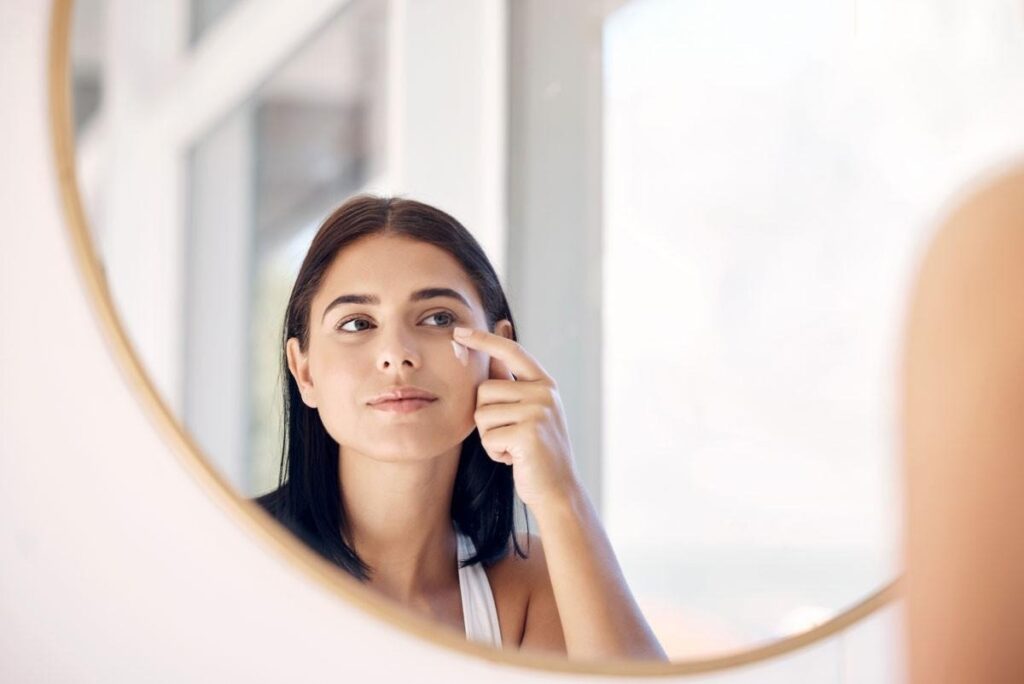
Hydroquinone has been used for decades as a topical depigmenting ingredient. It works by interfering with melanin synthesis and reducing the activity of pigment-producing cells. This targeted action helps gradually fade dark patches and promote a more even-looking complexion over time.
Unlike cosmetic products that simply brighten the surface of the skin, hydroquinone addresses one of the underlying causes of discoloration.
This mechanism has contributed to its long-standing popularity among individuals seeking visible improvements in skin tone consistency.
Common Skin Concerns Associated With Hyperpigmentation
Melasma
Melasma typically appears as brown or gray-brown patches on the face, especially on the cheeks, forehead, and upper lip.
Post-Acne Marks
Many individuals continue to experience dark spots even after acne breakouts have healed.
Sun-Induced Pigmentation
Years of cumulative sun exposure can result in localized dark spots and uneven skin tone.
Uneven Complexion
Even without obvious dark patches, some individuals seek treatments that help create a brighter and more balanced appearance overall.
The Importance of Consistency
One of the most common misconceptions about pigmentation treatment is that results should appear immediately.
In reality, skin renewal is a gradual process.
Visible improvements often depend on factors such as:
- Severity of pigmentation
- Skin type
- Consistency of application
- Sun exposure habits
- Overall skincare routine
Individuals who maintain realistic expectations are often more satisfied with long-term results.
Why Sun Protection Matters
No pigmentation treatment plan is complete without proper sun protection.
Even the most effective brightening ingredients may struggle to deliver results if the skin remains exposed to excessive ultraviolet radiation.
Daily sunscreen use can help:
- Prevent additional pigmentation
- Protect treatment progress
- Reduce UV-induced skin damage
- Support a more even complexion
Many skincare professionals consider sunscreen one of the most important tools in any pigmentation-focused routine.
Supporting Healthy Skin During Treatment
Successful skincare is about more than targeting dark spots alone.
A balanced routine may also include:
Gentle Cleansing
Using a mild cleanser helps remove impurities without disrupting the skin barrier.
Regular Moisturization
Hydrated skin often appears healthier and may tolerate active ingredients more comfortably.
Avoiding Excessive Irritation
Overusing exfoliants or combining too many active ingredients may increase irritation and potentially worsen pigmentation concerns.
Consistent Habits
Maintaining a simple, sustainable routine often produces better results than constantly changing products.
Choosing a Hydroquinone-Based Product
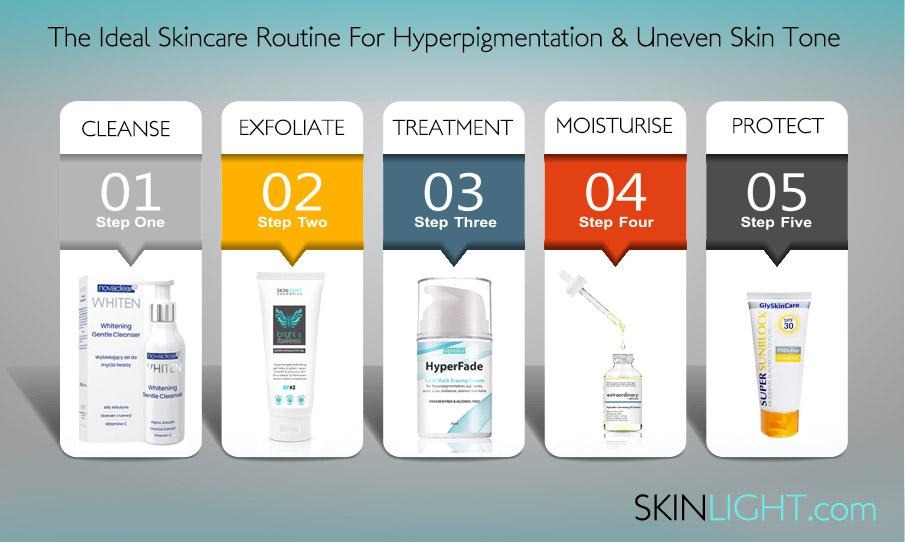
Individuals dealing with melasma, dark spots, and uneven skin tone often seek formulations specifically designed to reduce excess pigmentation.
One commonly selected option is Melalite 4% Hydroquinone Cream, a hydroquinone-based formulation frequently incorporated into skincare routines focused on reducing hyperpigmentation and promoting a more even complexion. Hydroquinone 4% formulations are widely used for concerns such as melasma, age spots, freckles, and post-inflammatory hyperpigmentation.
For individuals seeking a targeted approach to pigmentation management, hydroquinone remains one of the most recognized ingredients available.
Common Mistakes That May Slow Progress
Even effective skincare ingredients can produce disappointing results when paired with poor habits.
Skipping Sunscreen
Ongoing UV exposure remains one of the biggest obstacles to successful pigmentation management.
Using Too Much Product
Applying larger amounts does not necessarily improve results and may increase irritation.
Frequently Changing Products
Constantly switching treatments can make it difficult to evaluate progress.
Expecting Overnight Results
Pigmentation often develops over months or years and typically requires time to improve.
Long-Term Skin Goals
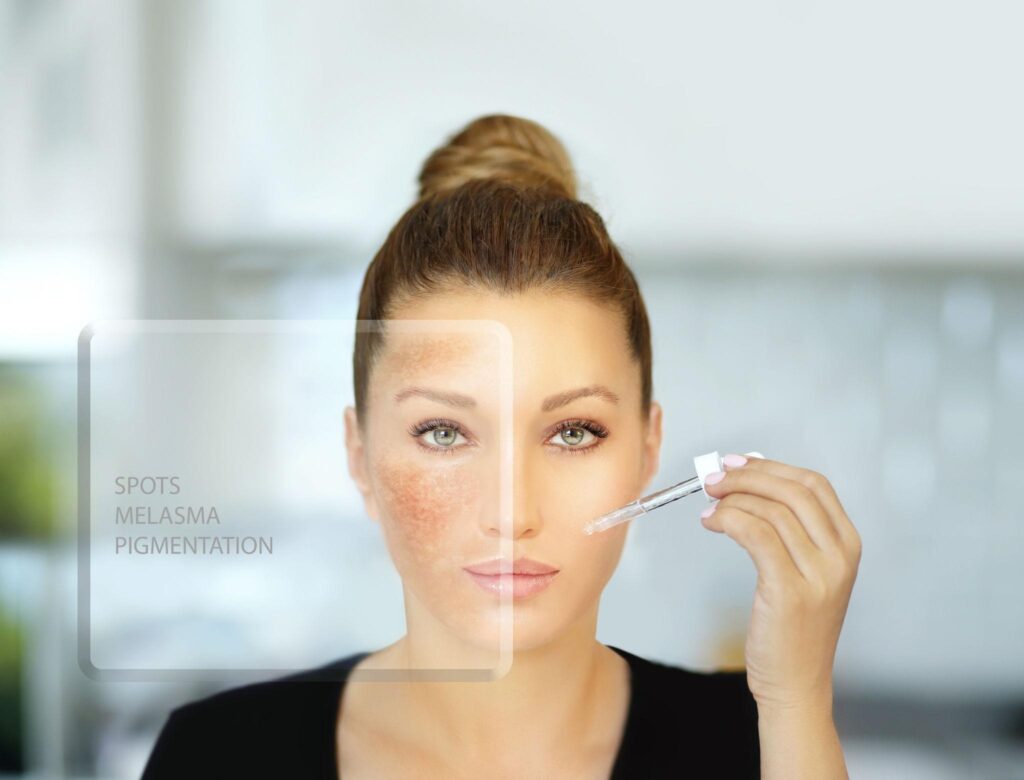
Many people begin treating hyperpigmentation to reduce specific dark spots, but improvements often extend beyond those original concerns.
A consistent skincare strategy may help support:
- More even skin tone
- Improved skin clarity
- Reduced appearance of discoloration
- Brighter complexion
- Greater confidence in overall appearance
These benefits often make pigmentation management an important part of a broader skincare routine.
Final Thoughts
Hyperpigmentation remains one of the most common and persistent skincare concerns. Whether caused by acne, sun exposure, hormonal changes, or inflammation, dark spots can be difficult to address without targeted ingredients designed to reduce excess melanin production.
Hydroquinone continues to be one of the most recognized ingredients in pigmentation-focused skincare because it directly targets the processes responsible for discoloration. When combined with patience, consistency, and proper sun protection, hydroquinone-based treatments may help support a brighter, clearer, and more balanced complexion over time.