Henry Joseph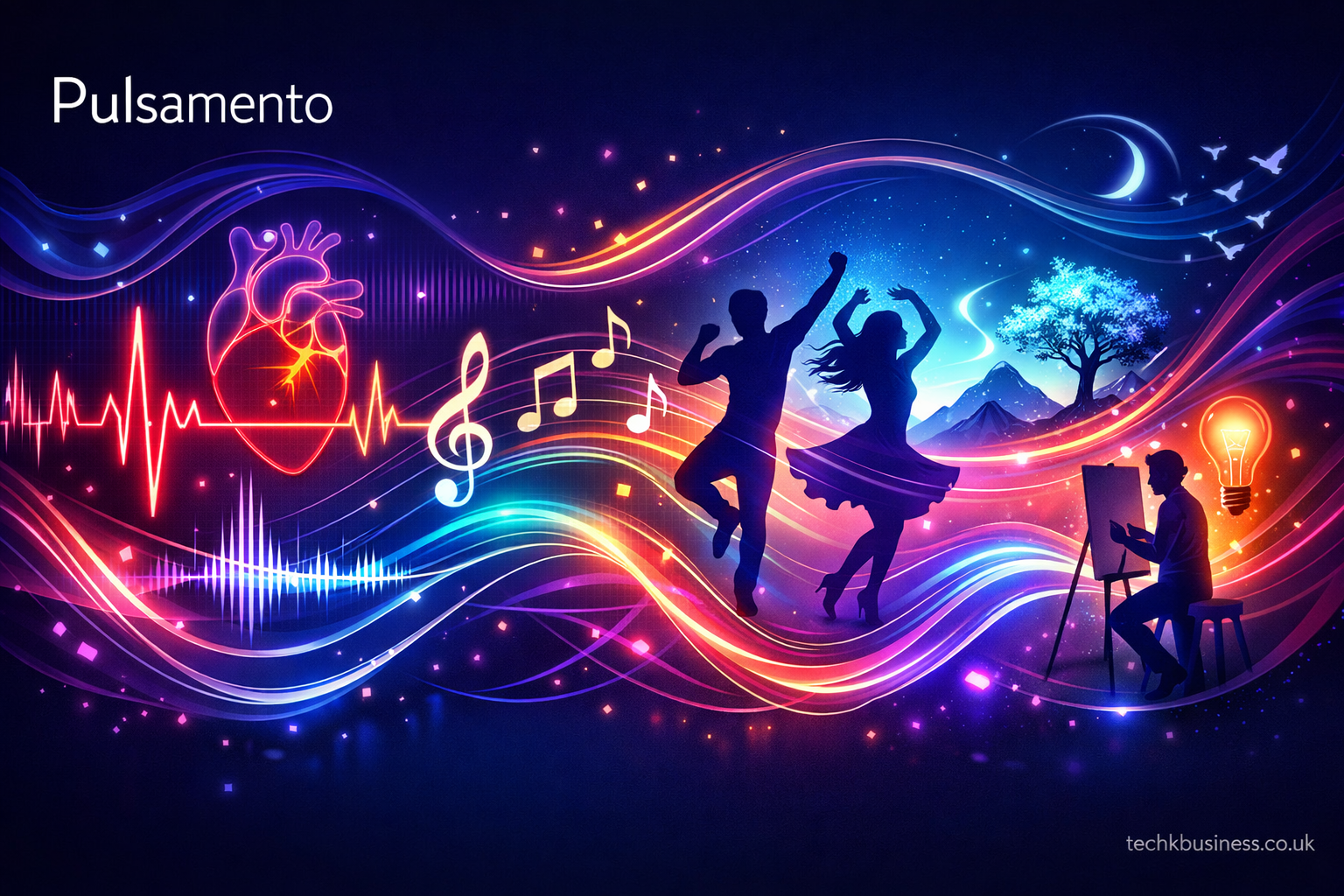
The term pulsamento has recently started appearing in discussions related to rhythm, creativity, digital culture, and artistic expression. Although the word is not commonly used in everyday English conversations, it carries a powerful meaning connected to rhythm, movement, and emotional energy. In simple terms, pulsamento refers to a rhythmic pulse or repeated motion that creates a sense of flow and continuity in different aspects of life. The concept is closely related to words such as pulsation, rhythm, beat, vibration, and movement.
In many contexts, pulsamento represents the idea of a consistent underlying rhythm that drives both natural and human-made systems. For example, the steady beating of the human heart, the rhythm of music, and the pattern of ocean waves all reflect the concept of pulsamento. These rhythmic patterns help organize movement and create harmony within complex systems. Because rhythm is fundamental to many aspects of life, the concept of pulsamento has gradually expanded beyond music and entered discussions about art, culture, technology, and human behavior.
Today, pulsamento is often explored as a broader metaphor for the rhythm of life and creativity. Writers, musicians, and researchers sometimes use the word to explain how rhythm influences emotional expression and artistic performance. Understanding pulsamento allows people to recognize how patterns of movement and energy shape everything from music and dance to digital experiences and modern cultural trends.
Meaning and Definition of Pulsamento
Pulsamento generally refers to a rhythmic pulse, vibration, or repeating beat that forms the structural foundation of movement or sound. The word is derived from linguistic roots connected to pulsation, which describes a throbbing or vibrating motion that repeats regularly. This repeating rhythm is essential to understanding the concept because pulsamento focuses on continuous cycles rather than isolated events.
In music and artistic contexts, pulsamento often describes the hidden pulse that organizes rhythm and timing. Musicians rely on this rhythmic foundation to maintain synchronization within a performance. Without a stable rhythmic pulse, melodies and harmonies can lose structure and clarity. The pulsamento acts like a guiding framework that helps performers maintain timing and emotional expression.
The concept is also used metaphorically to describe the rhythm of human emotions, social interaction, and creativity. Writers and artists sometimes refer to pulsamento as the energetic pulse that drives inspiration and creative flow. In this way, the word becomes more than a technical term; it represents the idea that life itself moves according to repeating patterns and rhythms.
Historical and Linguistic Origins of Pulsamento
The origins of the word pulsamento can be traced back to Romance languages, particularly Italian and Spanish. In these languages, words related to pulsare or pulso refer to beating, throbbing, or rhythmic motion. These linguistic roots highlight the connection between pulsamento and the idea of a rhythmic pulse that repeats over time.
Historically, the concept developed alongside musical traditions that emphasized rhythm and percussive patterns. Many cultures around the world have long relied on rhythmic pulses to structure music and dance. African musical traditions, for example, often focus on complex rhythmic layers built around a steady underlying beat. When these traditions interacted with European and Latin American musical styles, new rhythmic forms emerged that emphasized pulsation and movement.
Over time, the concept of pulsamento evolved into a broader cultural idea. Musicians and scholars began using the term to describe the rhythmic energy that drives artistic expression. As globalization spread musical traditions across continents, the idea of pulsamento gradually entered discussions about creativity, performance, and cultural identity.
Pulsamento in Music and Rhythm
Music is the field where pulsamento is most clearly understood and widely applied. Every musical composition contains some form of rhythmic pulse that organizes the structure of the piece. This pulse acts as the backbone of the music, guiding the tempo and timing of melodies and harmonies.
In many musical genres, pulsamento represents the emotional heartbeat of a composition. Faster rhythmic pulses can create excitement and energy, while slower pulses may evoke calmness, sadness, or reflection. Musicians use rhythmic variations to shape the emotional experience of the listener. By adjusting the intensity and speed of the pulse, performers can control the mood and atmosphere of a performance.
Instrumental techniques also rely heavily on pulsamento. Guitarists, pianists, and percussionists often use repeating rhythmic patterns to maintain a steady pulse. These patterns allow musicians to build complex layers of sound while maintaining coherence within the composition. In live performances, the shared understanding of pulsamento helps musicians stay synchronized and connected.
Pulsamento in Dance and Physical Movement
Dance provides one of the most visible expressions of pulsamento because physical movement naturally follows rhythm. When dancers perform to music, their steps and gestures are guided by the underlying pulse of the rhythm. This connection between sound and movement allows dancers to translate musical energy into visual expression.
In traditional dance styles, pulsamento plays a crucial role in timing and coordination. Dancers rely on the rhythmic pulse to determine when to step, turn, or pause. The pulse becomes a framework that structures the choreography and ensures that performers remain synchronized with the music.
Modern choreography also uses pulsamento to create dramatic storytelling through movement. Choreographers may change the speed or intensity of rhythmic patterns to build tension or highlight emotional moments in a performance. By manipulating the pulse of movement, they guide the audience’s emotional journey throughout the dance.
Pulsamento in Art and Creative Expression
Beyond music and dance, pulsamento also appears in visual art and creative design. Artists often attempt to create a sense of rhythm within their work by arranging shapes, colors, and patterns in repeating sequences. These repeating elements produce a visual pulse that guides the viewer’s eye across the artwork.
In graphic design and architecture, pulsamento can be seen in the repetition of structural elements. Designers may repeat lines, shapes, or textures to establish visual harmony and balance. This rhythmic arrangement makes the design more engaging and easier for viewers to understand.
Writers and storytellers also apply the idea of pulsamento through narrative rhythm. The pacing of sentences, dialogue, and dramatic pauses creates a literary pulse that influences how readers experience a story. By controlling narrative rhythm, authors maintain suspense and emotional engagement throughout the text.
Pulsamento in Nature and Biological Systems
The concept of pulsamento is not limited to artistic disciplines; it also appears throughout the natural world. Many biological systems operate according to rhythmic cycles that resemble pulsation. One of the most obvious examples is the human heartbeat, which pumps blood through the body in a steady rhythmic pattern.
Breathing patterns also demonstrate pulsamento as the lungs expand and contract repeatedly. This rhythmic cycle ensures that oxygen flows throughout the body and supports essential biological functions. Without these natural pulses, life itself could not exist.
Natural systems beyond the human body also follow rhythmic cycles. Ocean tides rise and fall according to gravitational forces, while seasons change in predictable patterns throughout the year. These repeating cycles show that pulsamento is a universal principle shaping both living organisms and environmental systems.
Pulsamento in Modern Technology and Digital Culture
In the modern digital world, the concept of pulsamento has also influenced technology and interactive experiences. Designers and developers often use rhythmic elements such as pulsing lights, sound waves, and animated patterns to create immersive digital environments. These rhythmic signals attract attention and guide users through digital interfaces.
Interactive art installations sometimes use sensors and responsive technology to generate pulsating effects that react to human movement. When participants move through the environment, lights and sounds change rhythmically in response. This interaction creates a dynamic experience where human activity becomes part of the rhythmic system.
Digital music production also relies on pulsamento through beat patterns, loops, and rhythmic sequencing. Electronic music genres often build entire compositions around a strong rhythmic pulse. This demonstrates how the concept continues to evolve alongside modern technological innovations.
Psychological and Cultural Importance of Pulsamento
Pulsamento is deeply connected to human psychology and cultural identity. Rhythmic patterns have the ability to influence emotions, focus, and social connection. Music with a steady rhythmic pulse can encourage movement, relaxation, or concentration depending on the tempo and style.
Culturally, rhythmic traditions play an important role in celebrations, rituals, and community gatherings. Many societies use music and dance to strengthen social bonds and express shared values. The rhythmic pulse that unites performers and audiences represents a collective form of pulsamento.
Psychologists also recognize the importance of rhythm in regulating mood and mental health. Listening to rhythmic music, practicing dance, or engaging in repetitive creative activities can help reduce stress and promote emotional balance. This shows how pulsamento influences not only artistic expression but also human well-being.
Future Relevance of Pulsamento
As technology and creative industries continue to evolve, the concept of pulsamento is likely to remain important. Modern artists, musicians, and designers increasingly explore rhythmic patterns to create immersive experiences that connect audiences with sound, movement, and visual energy.
Virtual reality, digital installations, and interactive media often rely on rhythmic signals to guide user engagement. These technologies demonstrate how pulsamento can bridge the gap between human perception and digital environments. By integrating rhythm into technological systems, creators can design experiences that feel more natural and emotionally engaging.
At the same time, the timeless nature of rhythm ensures that pulsamento will continue to shape traditional art forms as well. Music, dance, and storytelling will always rely on rhythmic patterns to communicate emotion and meaning. This enduring relevance highlights the universal power of rhythm in human culture.
Conclusion
Pulsamento represents a powerful concept that connects rhythm, creativity, and natural processes. From the steady beating of the human heart to the rhythmic patterns found in music and dance, pulsamento reflects the underlying pulse that organizes movement and energy in the world.
Understanding pulsamento helps people appreciate how rhythm influences artistic expression, cultural traditions, and everyday life. Whether it appears in musical compositions, visual design, biological systems, or digital technology, the concept demonstrates the importance of repeating patterns in shaping human experiences.
As society continues to explore new forms of creativity and innovation, pulsamento will remain a valuable idea for understanding how rhythm connects different aspects of life. By recognizing the universal pulse that runs through nature, culture, and technology, we gain a deeper appreciation for the rhythms that guide our world.