Henry Joseph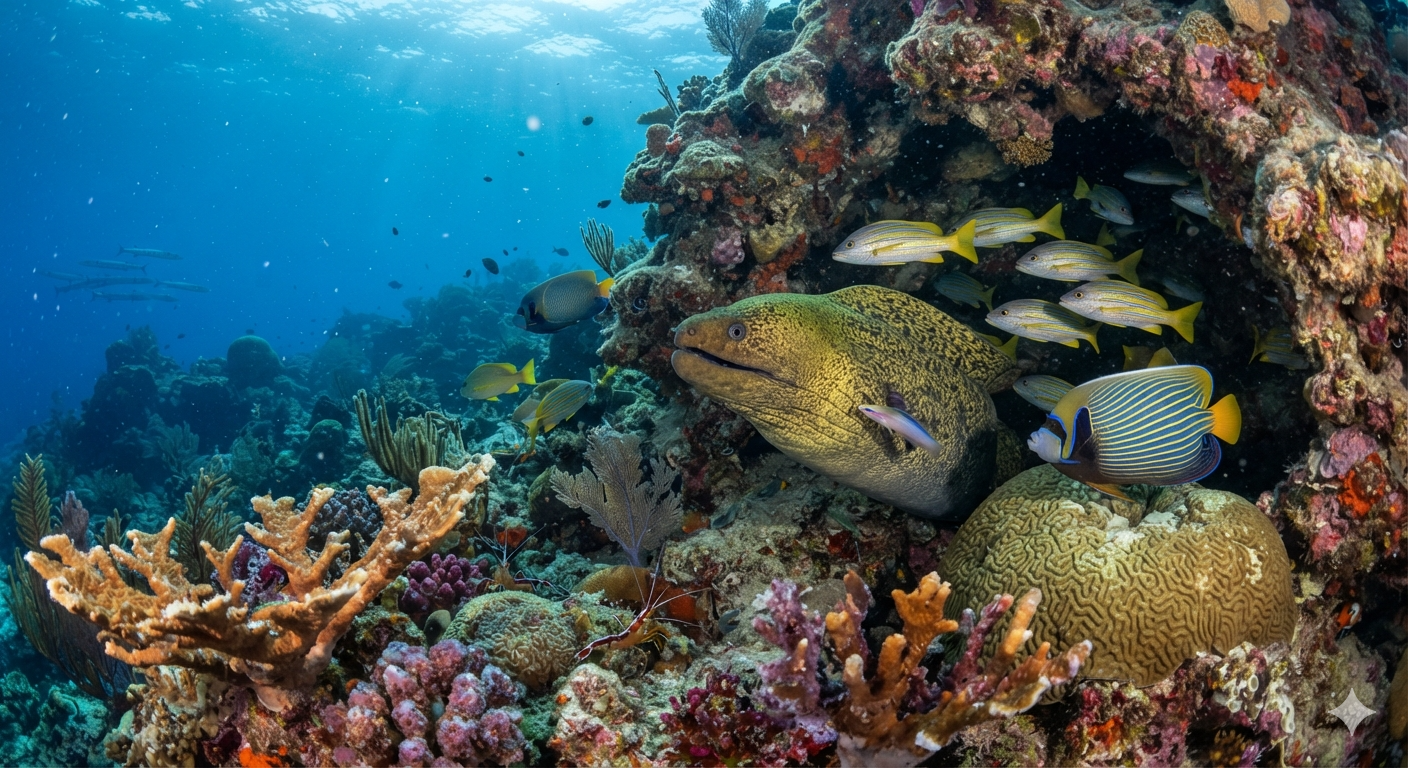
Have you ever looked into the ocean and wondered about the strange animals swimming there? The underwater world is full of amazing creatures that surprise us every single day. Two of the most interesting groups of sea creatures we often see are eels and fish. While they might look similar at first glance, they have very different lives, bodies, and habits. Understanding how these animals live helps us appreciate our oceans much more.
Many people get confused when they try to tell these sea animals apart because of their shapes. In this complete guide, we will explore the secret lives of these marine creatures. We will look at how they breathe, how they hunt, and how they interact with each other. We will also look at some very strange behaviors from larger ocean animals like dolphins. Get ready to dive deep into the fascinating world of eels and fish!
What is the Difference Between Eels and Fish?
To understand these creatures, we must first look at what makes them unique. A standard fish usually has a flat body covered in hard scales and uses clear fins to swim through the water. They look like the typical animals you see in a backyard aquarium or a local pet store. They are excellent swimmers that move quickly to catch food or hide from predators.
Eels look very different because they have long, snake-like bodies that twist and bend easily. Even though they look like snakes, they are actually a very special type of fish. They do not have the typical pelvic or pectoral fins that other swimming animals use every day. Instead, they use one long fin that runs all the way down their backs to move around.
The Mysterious World of Lamprey Eels and Fish
When we talk about unique sea creatures, we have to mention lamprey eels and fish. Lampreys are very ancient creatures that have been on Earth for millions of years. They look like typical eels because of their long bodies, but they are actually jawless fish. They do not have bones made of hard calcium like a typical trout or salmon does. Instead, their bodies are supported by soft cartilage, which is the same flexible material found in human ears.
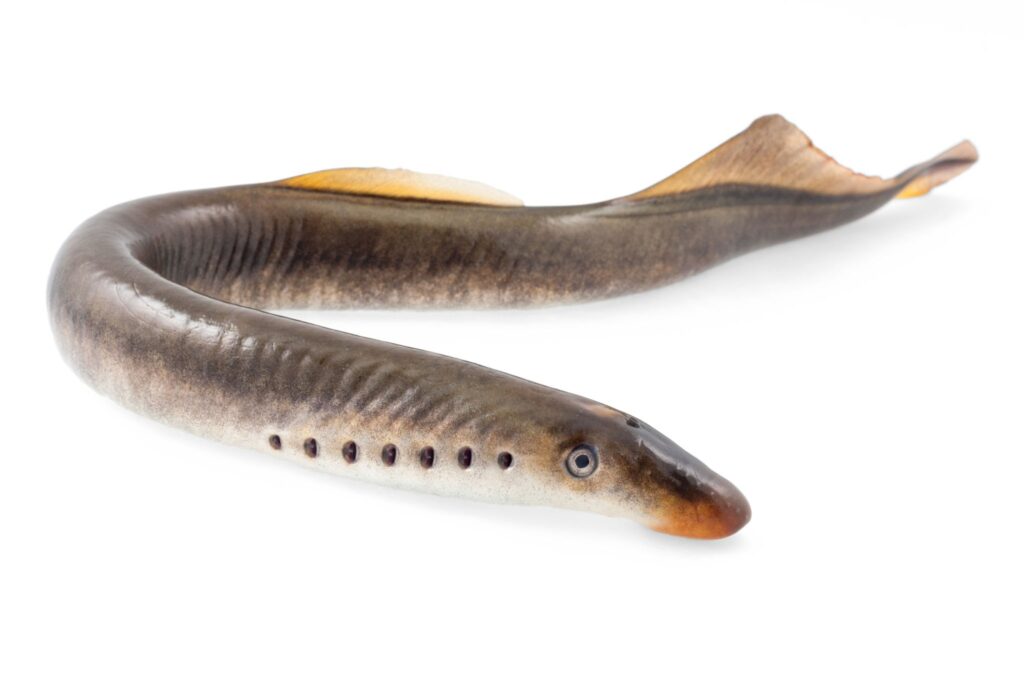
These primitive creatures have a round, sucker-like mouth filled with tiny, sharp teeth. They use this mouth to attach themselves to other swimming animals in the water. Once attached, they feed on the blood and bodily fluids of the host animal. This unique lifestyle makes lamprey eels and fish a very important subject for scientists who study ancient ocean history.
How Do Eels and Fish Breathe Under Water?
Both of these amazing marine animals need to breathe oxygen to stay alive under the waves. They do not have lungs like humans do, so they cannot breathe air from the atmosphere. Instead, they use special organs called gills to pull oxygen directly out of the water. As water flows through their mouths and past their gills, the oxygen enters their blood.
However, the way they move water through their gills can be quite different. A regular fish opens and closes its mouth while swimming to keep water moving smoothly. Eels often have smaller gill openings that look like tiny holes behind their heads. They have to pump water through their bodies continuously, which is why you often see them opening their mouths wide while hiding in rocks.
Understanding the Biography and Body Features of Marine Life
To truly understand how eels and fish compare, it helps to look at their body structures side by side. Scientists look at their bones, their skin, and their scales to put them into different categories. These physical features show us how each animal has adapted to survive in its own special home.
| Physical Feature | Standard Fish | True Eels | Lampreys |
| Body Shape | Flat and wide | Long and snake-like | Long and cylindrical |
| Skeletal Type | Hard bone | Hard bone | Soft cartilage |
| Jaws | Present with hinges | Present with hinges | Completely jawless |
| Scales | Covered in hard scales | Smooth, slimy skin | Smooth, scaleless skin |
What Do Dolphins Do to Eels and Fish Heads?
Nature can be very strange, and some ocean behaviors can surprise even the smartest scientists. One big mystery that people often ask about is what do dolphins do to eels and fish heads when they are hunting. Dolphins are highly intelligent mammals that love to play with their food before they eat it. They have been seen using very smart tricks to prepare their meals in the ocean.
Sometimes, dolphins will catch large prey and rub them against the sandy ocean floor or rough rocks. They do this to remove the hard, dangerous heads and sharp bones before swallowing the soft body. When it comes to long creatures, dolphins might shake them violently in the air to break them into smaller pieces. This clever behavior shows just how smart dolphins are when handling tricky eels and fish heads.
The Hunting Strategies of Deep Sea Eels
Eels are famous for being excellent hunters that love to surprise their prey in the dark. Most of them prefer to hide inside deep rock crevices, coral reefs, or thick mud during the day. They wait patiently until the sun goes down before they start searching for a meal. Because they have very poor eyesight, they rely on their amazing sense of smell to find food.
When an unsuspecting animal swims too close, the predator strikes forward with incredible speed. Some species, like the moray eel, even have a second set of jaws hidden inside their throats. These extra jaws reach forward to grab the food and pull it down safely. This unique hunting style allows them to catch food easily without ever leaving their favorite hiding spots.
How Standard Fish Use Schooling to Stay Safe
While eels love to live alone, many standard fish prefer to spend their lives in large groups. These big groups of swimming animals are called schools. Swimming together in a school provides excellent protection from hungry predators that are looking for an easy meal. It is much harder for a hunter to pick out a single target when hundreds of animals are moving together.
Schooling also makes it much easier for these animals to find food and travel across the vast ocean. They can sense the movements of their neighbors instantly, allowing the whole group to turn smoothly like a single organism. This cooperative way of living helps smaller fish survive in a world full of larger dangers.
The Incredible Journeys of Migrating Eels
One of the most amazing facts about true eels is the incredible journey they take to reproduce. Many species spend most of their adult lives living in freshwater rivers and quiet lakes. However, when it is time to lay their eggs, they swim thousands of miles out into the deep ocean. They travel to specific areas, like the famous Sargasso Sea, just to spawn.
This long journey requires a massive amount of energy and strength. The young babies hatch in the ocean and look like tiny, clear leaves floating in the water currents. These tiny larvae slowly drift back toward the rivers, changing their shapes as they grow into adults. This complex life cycle is completely different from the way most local freshwater fish lay their eggs.
Why Slimy Skin is Important for Ocean Creatures
If you have ever tried to touch an eel, you know that they are incredibly slippery and hard to hold. Their bodies are covered in a thick layer of special mucus that protects their skin. This slime layer acts like a shield against dangerous bacteria and tiny parasites floating in the ocean water. It also helps them slide smoothly through sharp rocks without getting hurt.
Regular fish also have a protective slime coating, but it is usually much thinner because they have scales. For a scaleless animal, this thick slime is absolutely necessary for survival. It reduces friction in the water, allowing them to swim forward with very little effort. It also makes it very easy for them to slip away from the grip of a hungry predator.
How Human Choices Affect Eels and Fish Alike
Our oceans face many challenges today, and human actions have a huge impact on marine life. Overfishing, water pollution, and the building of large river dams make life difficult for eels and fish. When rivers are blocked by dams, migrating animals cannot reach their spawning grounds to lay their eggs safely. This causes their populations to drop very quickly over time.

Protecting these animals requires us to take better care of our water systems and natural habitats. By keeping our rivers clean and using sustainable fishing practices, we can help these amazing creatures thrive. Every small effort helps ensure that future generations will be able to enjoy these wonderful sea animals.
Conclusion
The underwater world of eels and fish is full of endless wonder, balance, and surprise. From the ancient, jawless lamprey to the clever hunting tricks of wild dolphins, every creature plays a vital role. They keep our aquatic ecosystems healthy and balanced every single day. Learning about these animals is the very first step toward protecting their beautiful ocean homes.
What was the coolest fact you learned about these sea creatures today? Do you think you can spot the difference between an eel and a regular fish now? Share this article with a friend who loves the ocean, and leave a comment below with your favorite ocean animal!
Frequently Asked Questions
Are eels considered a type of fish?
Yes, eels are definitely a special type of fish. They belong to a specific group of bony fish that have evolved to have long, snake-like bodies. Even though they look like snakes and lack common fins, they breathe through gills and spend their entire lives underwater just like other fish.
What makes lamprey eels and fish different from true eels?
Lampreys are not true eels at all. They are actually primitive, jawless fish that do not have a hard skeleton made of bone. True eels have proper jaws, sharp teeth, and bony skeletons, while lampreys use a round sucker mouth to attach to other animals.
What do dolphins do to eels and fish heads in the wild?
Dolphins often remove the heads of their prey before eating them. When looking at what do dolphins do to eels and fish heads, scientists notice that dolphins shake their prey or rub them against rocks. This removes sharp bones and hard pieces, making the meal safe and easy to swallow.
Do eels have scales like regular fish do?
Most species do not have any visible scales on their bodies. Instead, they have smooth, thick skin that is covered in a slippery layer of mucus. This unique slime protects them from parasites and helps them slide through tight spaces among underwater rocks easily.
Can eels live outside of the water?
Some species can survive out of water for a few hours if the air is damp. They can absorb oxygen directly through their moist skin, which allows them to slither across wet grass to find new ponds. However, they must return to the water quickly to stay healthy.
Why are these ocean animals important for the environment?
Both groups of animals are crucial for maintaining balance in our marine ecosystems. They act as both predators and prey, keeping populations of smaller creatures in check while providing food for larger animals like mammals. Without them, the ocean food web would quickly collapse.