Henry Joseph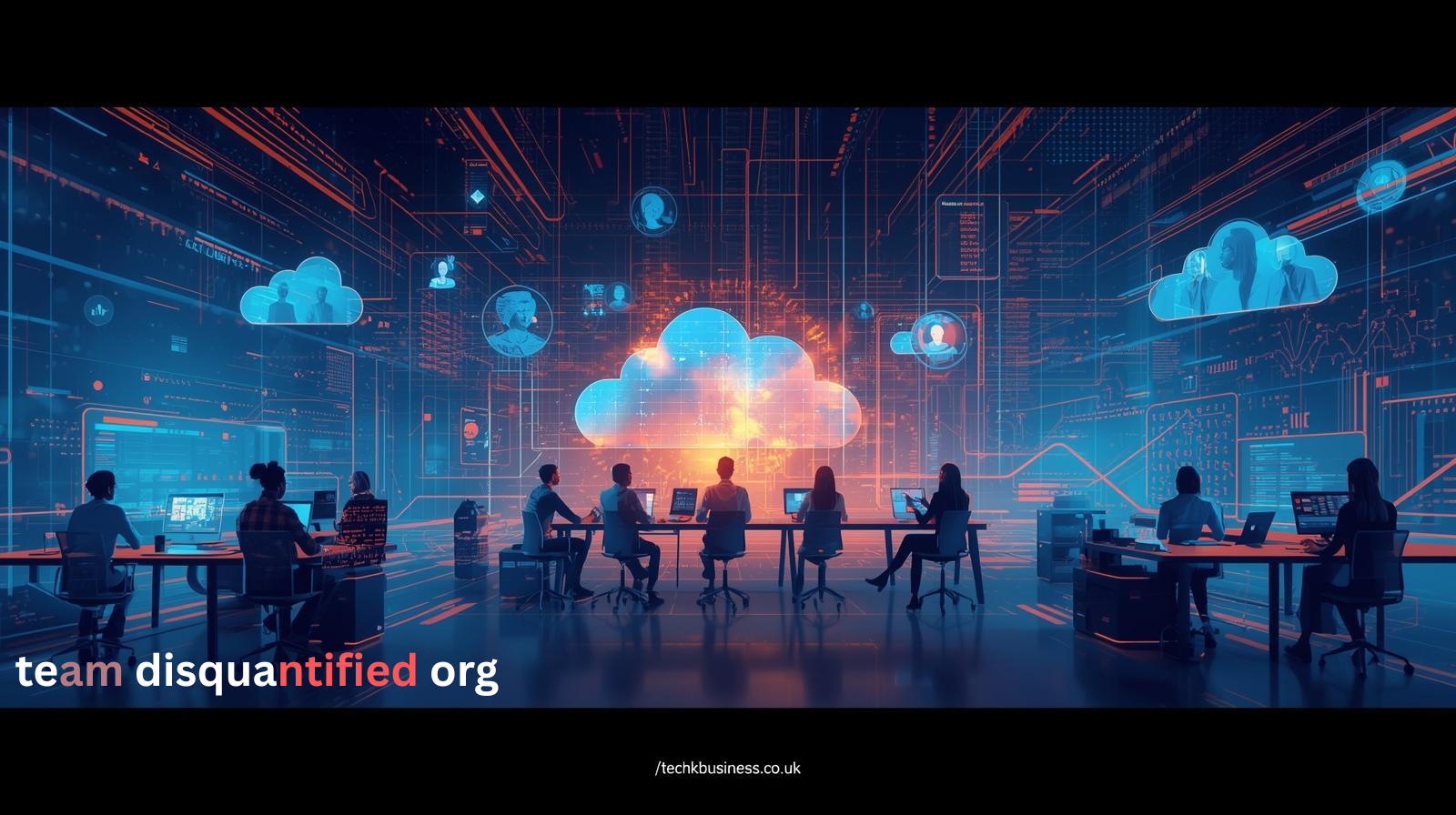
The concept of team disquantified org has emerged as an interesting discussion point in modern digital communities and collaborative online environments. At its core, the idea reflects a shift away from traditional organizational models that rely heavily on numerical performance indicators, rigid hierarchies, and standardized productivity metrics. Instead, the disquantified approach highlights human collaboration, collective creativity, and the qualitative value that individuals bring to a team. In many digital ecosystems, people increasingly recognize that innovation and insight cannot always be measured using conventional metrics.
The term “disquantified” essentially suggests reducing the dominance of quantifiable measures such as scores, rankings, productivity charts, or rigid output tracking. In a team disquantified org environment, the emphasis is placed on meaningful participation, shared goals, and intellectual contributions. Members of such organizations or communities are encouraged to collaborate freely and bring diverse perspectives to projects without being constrained by strict numerical targets.
As digital transformation continues to reshape industries, the team disquantified org model has attracted attention among researchers, technology communities, and collaborative networks. It reflects broader changes in how people work online, particularly in remote environments where communication, trust, and shared purpose often matter more than traditional performance indicators.
Origins and Development of the Disquantified Organizational Model
The origins of the team disquantified org idea can be linked to ongoing debates about the limitations of metric-driven management systems. Over the past few decades, organizations around the world have adopted data-driven decision making. While this shift has improved efficiency and accountability, critics argue that excessive reliance on data and metrics can overlook important human elements such as creativity, emotional intelligence, and collaborative thinking.
Early discussions about disquantified organizational approaches appeared in technology forums, open-source communities, and digital research groups. These environments often function without rigid hierarchies and rely on voluntary contributions from individuals who share knowledge and expertise. Participants in these communities noticed that innovative ideas often emerged when individuals were given autonomy rather than strict performance monitoring.
As these discussions evolved, the concept of team disquantified org began to symbolize a broader philosophy about teamwork in the digital age. Instead of focusing on individual rankings or competition, the approach encourages collaborative knowledge building. This philosophy aligns with the evolving nature of digital workspaces where contributors may operate across multiple countries, time zones, and professional backgrounds.
Philosophy and Core Principles Behind Team Disquantified Org
The philosophy behind team disquantified org centers on the belief that the value of human collaboration cannot always be measured through numerical indicators. Traditional organizations often evaluate employees using performance scores, productivity quotas, or other measurable outputs. While such metrics can provide useful insights, they may fail to capture deeper aspects of teamwork such as creative thinking, problem-solving ability, and emotional support among team members.
In a disquantified organizational structure, trust plays a central role. Members are encouraged to share ideas openly, participate in discussions, and contribute to collective goals without fear of being judged solely by numbers. This trust-based environment promotes psychological safety, allowing individuals to experiment with new approaches and develop innovative solutions.
Another important principle is the emphasis on purpose-driven collaboration. Instead of focusing exclusively on short-term productivity targets, team disquantified org structures prioritize long-term impact and meaningful contributions. Participants often share a common mission or interest, which strengthens the sense of community and motivates individuals to work toward shared objectives.
Organizational Structure and Collaborative Dynamics
One of the defining characteristics of a team disquantified org is its flexible and decentralized structure. Unlike traditional corporate hierarchies where authority flows from top management to employees, disquantified teams often operate with distributed leadership. Decision-making responsibilities may be shared among members depending on expertise, experience, or involvement in specific projects.
This decentralized approach allows organizations to adapt quickly to changing circumstances. When individuals are empowered to make decisions within their areas of expertise, projects can move forward without delays caused by bureaucratic approval processes. As a result, collaboration becomes more fluid and dynamic.
Communication is also a key component of this organizational model. Since the structure is less hierarchical, members must rely on open dialogue and transparent information sharing. Digital communication platforms, collaborative documents, and online discussion forums often serve as the backbone of interaction within these teams, ensuring that everyone stays informed and aligned with project goals.
Roles and Responsibilities Within the Team
Although team disquantified org environments avoid rigid job titles and strict role definitions, members still contribute specialized skills and knowledge. Individuals often take on responsibilities that align with their expertise, allowing the collective to benefit from a diverse range of talents. These roles may evolve over time as projects develop and new challenges emerge.
Researchers and analysts frequently play a critical role in these teams by gathering reliable information and interpreting data trends. Their work helps ensure that decisions are informed by accurate insights rather than assumptions. Writers, editors, and communicators then transform complex findings into accessible narratives that can be shared with broader audiences.
Technical specialists also contribute significantly to the effectiveness of the organization. Developers, system architects, and digital strategists often design the platforms and technological infrastructure that support collaboration. By combining these different areas of expertise, a team disquantified org can function as an interconnected network of professionals working toward a shared mission.
Digital Tools and Technology Supporting the Model
Technology is essential for enabling the collaborative environment associated with team disquantified org structures. Because members often operate remotely or across multiple locations, digital tools provide the foundation for communication, coordination, and knowledge sharing. Messaging platforms, virtual meeting systems, and cloud-based collaboration tools help maintain real-time interaction between team members.
Cloud technology plays a particularly important role in storing and managing shared resources. Documents, research files, design assets, and project plans can be accessed by all members regardless of geographic location. This accessibility encourages transparency and ensures that everyone has the information they need to contribute effectively.
Artificial intelligence and automation technologies are also becoming increasingly relevant in these environments. AI-powered analytics tools can process large volumes of data and identify patterns that might otherwise go unnoticed. By handling repetitive tasks and complex calculations, these technologies allow human team members to focus on strategic thinking and creative problem solving.
Advantages of the Disquantified Organizational Approach
The team disquantified org model offers several advantages that appeal to modern digital teams and collaborative communities. One of the most notable benefits is the promotion of creativity and innovation. When individuals are not constrained by strict numerical targets or competitive performance rankings, they often feel more comfortable sharing unconventional ideas and experimenting with new approaches.
Another advantage is the development of stronger interpersonal relationships within the team. Because the model encourages open communication and shared responsibility, members tend to build trust and mutual respect. This sense of collaboration can improve overall team morale and foster a supportive working environment.
The approach also aligns well with modern remote work trends. As organizations increasingly rely on distributed teams and global collaboration, flexible structures become essential. The team disquantified org framework allows individuals to contribute from different locations while maintaining a cohesive sense of purpose and direction.
Challenges and Limitations of Team Disquantified Org
Despite its benefits, the team disquantified org model also presents certain challenges. One of the most significant concerns is the difficulty of evaluating performance without clear numerical benchmarks. Organizations may struggle to measure progress, allocate resources, or identify areas that require improvement when traditional metrics are minimized.
Coordination can also become complex in decentralized environments. Without clear hierarchies or defined reporting structures, teams must rely heavily on communication and consensus-building. If communication breaks down or members have differing priorities, projects may experience delays or confusion.
Another limitation involves scalability. While disquantified organizational structures can work effectively in smaller teams or collaborative communities, maintaining the same level of flexibility and trust may become more difficult as the organization grows. Larger teams often require additional processes to ensure consistency and accountability.
Real-World Applications and Influence in Digital Communities
The ideas behind team disquantified org structures can be observed in various digital communities and collaborative ecosystems. Open-source software projects, online research networks, and decentralized creative groups often operate with similar principles. Participants contribute voluntarily, share knowledge openly, and work together toward shared goals rather than individual recognition.
Digital media platforms and content communities have also embraced aspects of this philosophy. Creators, editors, and developers frequently collaborate across different regions, forming informal networks that function without rigid corporate hierarchies. These environments demonstrate how flexible teamwork models can support innovation and creativity.
The rise of decentralized technologies, including blockchain-based communities and distributed digital organizations, further illustrates the growing influence of disquantified ideas. In these ecosystems, individuals contribute to projects based on expertise and interest, reinforcing the principle that collaboration and shared purpose can drive meaningful progress.
The Future of Team Disquantified Org in Modern Workplaces
Looking ahead, the principles associated with team disquantified org models may continue to shape the evolution of modern workplaces. As technology enables greater connectivity and remote collaboration, organizations are increasingly exploring alternative structures that prioritize flexibility, creativity, and human-centered innovation.
Future workplaces may adopt hybrid models that combine traditional management practices with disquantified principles. Organizations could maintain necessary accountability measures while reducing excessive reliance on numerical performance metrics. Such a balance may allow teams to preserve efficiency while encouraging more authentic collaboration.
Ultimately, the concept of team disquantified org represents a broader cultural shift in how people think about productivity, teamwork, and success. By recognizing that human creativity and collaboration extend beyond measurable outputs, this approach encourages organizations to value trust, knowledge sharing, and collective problem solving. As digital communities continue to evolve, the influence of disquantified organizational thinking is likely to expand, shaping the future of collaborative work in the digital age.
Read More:Malton Moan: The Online Community Voice of a Yorkshire Town