Henry Joseph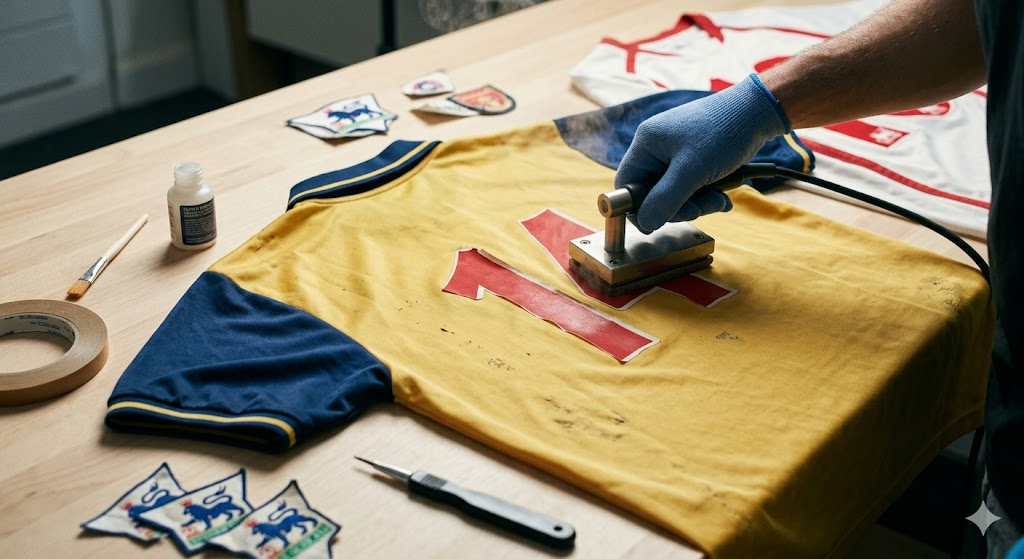
We all have that one lucky jersey. Maybe it is a vintage shirt from the 90s or a brand-new kit from this season. Over time, these shirts can start to look a bit tired. The numbers might peel, or the fabric might lose its shape. This is where the idea to reform football shirts comes in handy. Reforming a shirt means giving it a second life. Instead of throwing away a memory, you can fix the small details that make it special. It is about keeping the history of the game alive in your wardrobe.
When you choose to reform football shirts, you are being smart and sustainable. It is much better for the planet to fix what you own than to buy something new every month. Plus, there is a special feeling when you wear a shirt that you personally restored. Whether you are heading to the stadium or just meeting friends, a well-kept kit shows you are a true fan. In this guide, we will look at the best ways to keep your collection looking brand new for years to come.
Details and Care Comparison Table
| Feature | Standard Care | Restoration (Reform) | Pro Tip |
| Washing | Warm water, machine | Cold hand wash only | Turn the shirt inside out |
| Drying | Tumble dryer | Air dry on a flat surface | Avoid direct sunlight |
| Printing | Ignore peeling | Use heat press or fabric glue | Use parchment paper when ironing |
| Storage | Folded in a drawer | Padded hangers | Avoid plastic bags; use cotton |
How to Identify if Your Shirt Needs Help
Before you start to reform football shirts, you need to look for specific signs of wear. Check the sponsor logo first. Is it cracking? Next, look at the club crest. If the edges are lifting, it needs attention. Sometimes the fabric itself gets “bobbles” or small pulls from Velcro. These are all signs that your kit is ready for a refresh. By catching these issues early, you prevent the damage from getting worse.
The Best Tools for Reforming Your Kits
To reform football shirts properly, you do not need a factory. A few simple household items will do the trick. You will need a standard iron, parchment paper (not wax paper!), and some fabric-safe adhesive. A lint remover is also great for cleaning up the texture of the jersey. Having these tools ready makes the process smooth and keeps your workspace clean. Always remember to work on a flat, hard surface like a table rather than a soft ironing board.
Fixing Peeling Names and Numbers
The most common reason people want to reform football shirts is peeling vinyl. This usually happens because of heat from a dryer. To fix this, place your shirt flat and put parchment paper over the peeling letter. Press a warm iron (no steam!) over it for 10 seconds. This reactsivates the glue. It is a simple trick that saves you from having a nameless jersey. Just be careful not to touch the iron directly to the plastic print.
Removing Stubborn Stains Safely
Football kits are made of synthetic fibers like polyester. These can trap oils and sweat. To truly reform football shirts, you must get them clean without ruining the color. Avoid harsh bleach at all costs. Instead, use a mix of mild dish soap and cool water. Gently rub the stain with a soft toothbrush. This keeps the colors bright and the fabric strong. A clean shirt always looks more professional and “official” than a stained one.
Restoring the Fabric Texture
Over time, shirts can feel stiff or develop “pilling.” If you want to reform football shirts to their original softness, use a fabric shaver. This tool gently cuts off the tiny balls of fuzz. It makes the kit feel smooth against your skin again. Many collectors skip this step, but it makes a huge difference in how the shirt looks under bright lights. It is like giving your jersey a fresh haircut!
Dealing with Cracking Sponsor Logos
Cracked logos are tricky, but you can still reform football shirts with this issue. While you can’t always “un-crack” them, you can prevent more pieces from falling off. Applying a very thin layer of flexible fabric sealant can hold the pieces together. This acts as a clear coat of armor. It keeps the vintage look while ensuring the logo stays on the chest during your next matchday.
The Importance of Proper Washing Habits
If you want to reform football shirts less often, you need to wash them correctly. Always turn the shirt inside out. This protects the patches and prints from hitting the sides of the washing machine. Use the “delicate” cycle and cold water. Heat is the number one enemy of a football kit. When the cycle ends, never wring the shirt out. Squeezing it too hard can stretch the fibers and ruin the fit.
How to Store Your Collection
Storage is a key part of the plan to reform football shirts. Do not crowd them in a dark closet where they can get wrinkled. If you have the space, hang them on wide, padded hangers. This maintains the shoulder shape. For very old or rare kits, consider using acid-free tissue paper between folds. This prevents the prints from sticking to each other, which is a common disaster for collectors in humid climates.
When to Call a Professional Restorer
Sometimes a DIY job isn’t enough to reform football shirts that are very valuable. If you have a match-worn shirt or a rare 1970s jersey, you might want to find a professional. Some experts specialize in “kit surgery.” They can replace missing patches with authentic versions from the same era. While this costs more, it can significantly increase the value of your collection. It is an investment in football history.
Eco-Friendly Fashion and Football
Choosing to reform football shirts is a great way to support “slow fashion.” The sports industry produces millions of new shirts every year. By repairing your old ones, you reduce waste. Many fans are now buying “damaged” vintage shirts for cheap and fixing them up. It is a fun hobby that combines a love for the game with a passion for the environment. Your wardrobe can be both stylish and sustainable.
Frequently Asked Questions
1. Can I use a tumble dryer for my football shirts?
No, you should avoid the dryer. The high heat melts the glue on the names and numbers. It is best to air dry them away from the sun.
2. How do I fix a snag in the polyester fabric?
Use a “snag tool” or a small needle to gently pull the loose thread back through to the inside of the shirt. Never cut the thread!
3. Is it okay to iron a football kit?
Only iron if you use a very low heat setting and place a cloth or parchment paper between the iron and the shirt. Never iron directly on prints.
4. How many times can I reform football shirts?
You can refresh a shirt many times! As long as the fabric is strong, you can keep fixing the prints and cleaning the stains for years.
5. What is the best way to get rid of smells?
Soak the shirt in a mix of cold water and a half-cup of white vinegar for 30 minutes before washing. This kills bacteria without damaging the kit.
6. Will reforming a shirt lower its value?
If done carefully, it usually helps the value! A clean shirt with intact prints is worth much more than a peeling, dirty one.
Keep Your Game Day Look Sharp!
Taking the time to reform football shirts is a rewarding experience for any fan. It connects you deeper to your team and your personal memories. Whether it’s a quick iron fix for a peeling name or a deep clean for a match-day stain, your effort pays off.
Start looking through your closet today! Find those old jerseys that have been tucked away and bring them back to life. A little bit of care goes a long way. If you found this guide helpful, share it with your fellow supporters so everyone can look their best at the next big game!